Cape Town tells its story through layers. Dutch traders, enslaved communities, political activists, faith leaders, and modern citizens have all left their mark on these streets. With a local Expert leading the way, the city begins to feel less like a maze of landmarks and more like a living conversation between past and present. Some stories sit proudly in public squares, others hide in plain sight.
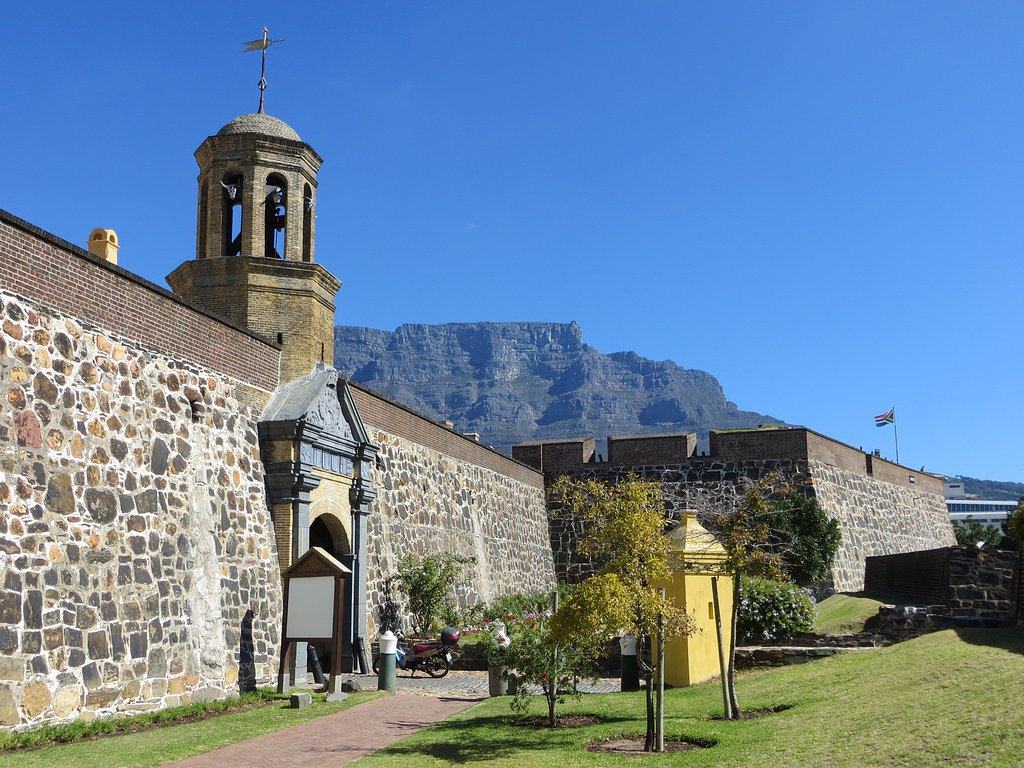
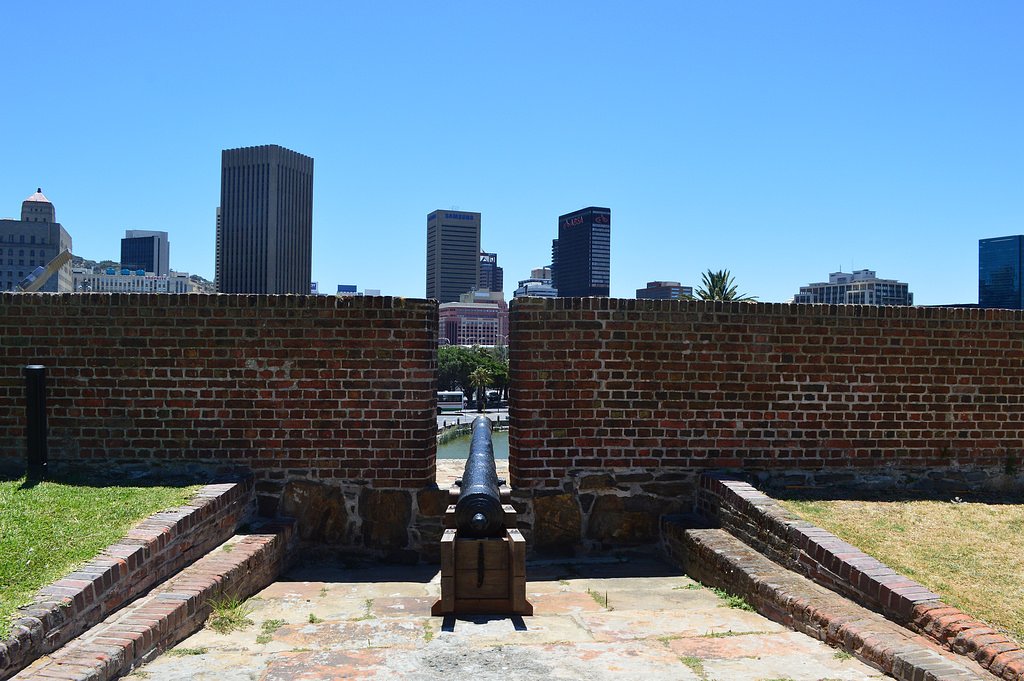
The walk moves through the historic center, where the Castle of Good Hope reveals the ambitions of the Dutch East India Company and the global trade routes that reshaped the Cape in the 17th century. Discussions trace the arrival of settlers alongside the forced movement of enslaved people whose labor built much of the early colony. Outside the Iziko Slave Lodge, the city’s elegant facades take on deeper meaning. What traces of those histories still shape daily life here?
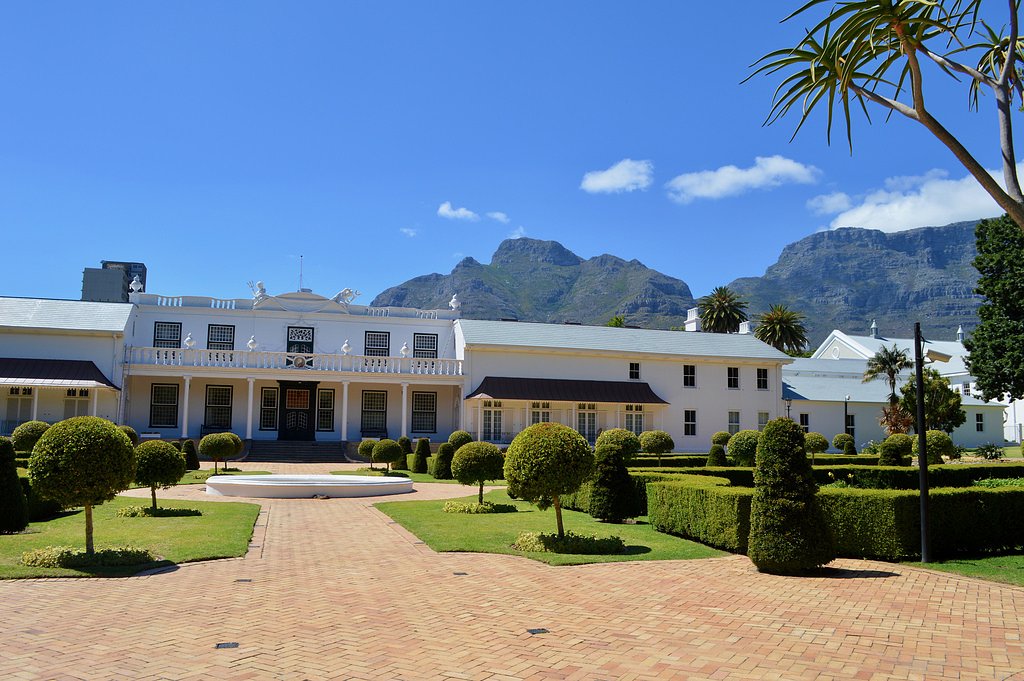
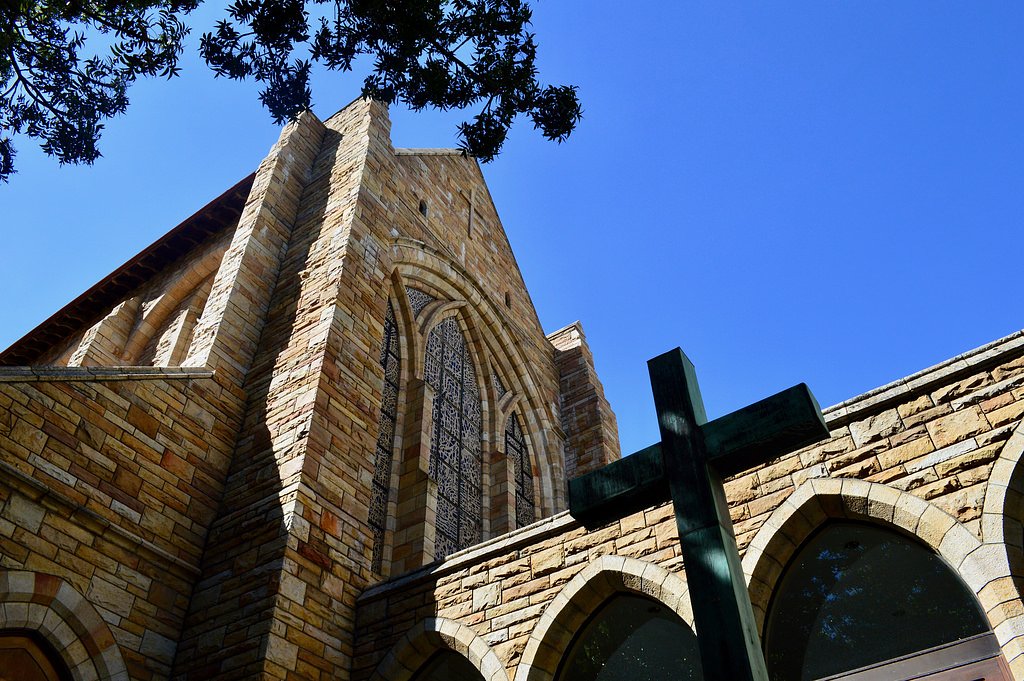
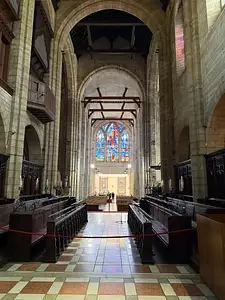
Nearby, the Grand Parade and City Hall open a different chapter, one tied to resistance, democracy, and public memory. Your Expert unpacks the significance of Nelson Mandela’s first public speech after his release in 1990 while connecting it to the broader story of apartheid and political change in South Africa. The Houses of Parliament and St. George’s Cathedral reveal how power, protest, and faith often stood side by side. History here still feels remarkably close.
As the route continues through Greenmarket Square and surrounding streets, conversations turn toward the rhythms of daily life that shaped Cape Town across centuries. Traders, worshippers, activists, and travelers all crossed paths here, leaving behind traditions and tensions that still echo today. Your Expert shares local insights and practical knowledge that help you understand the city beyond this walk alone. The result feels less like memorizing facts and more like learning how Cape Town thinks.
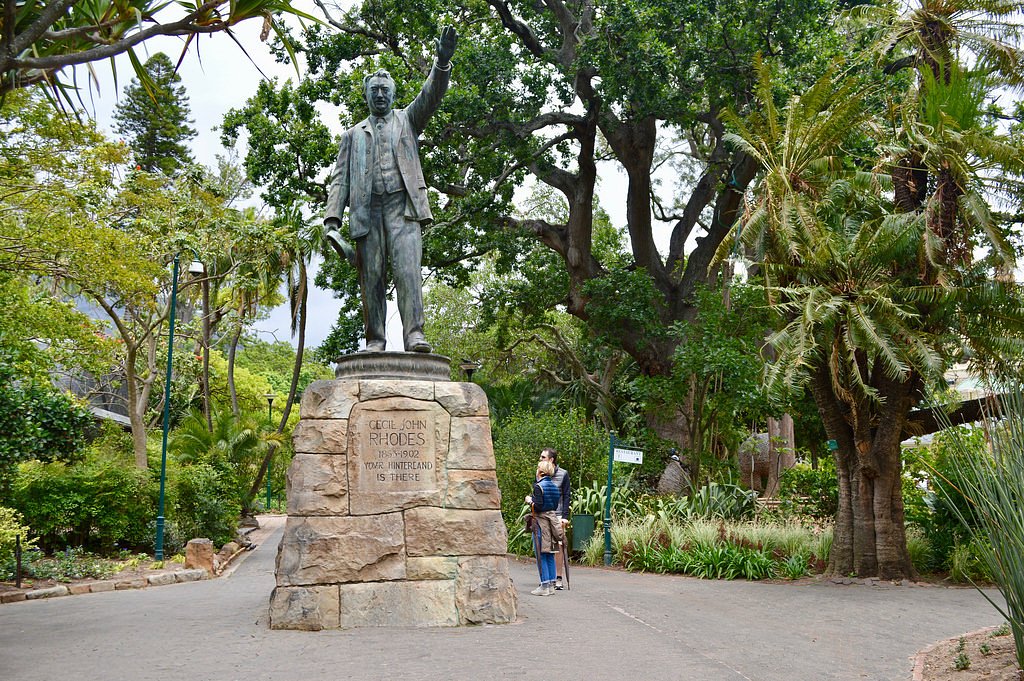
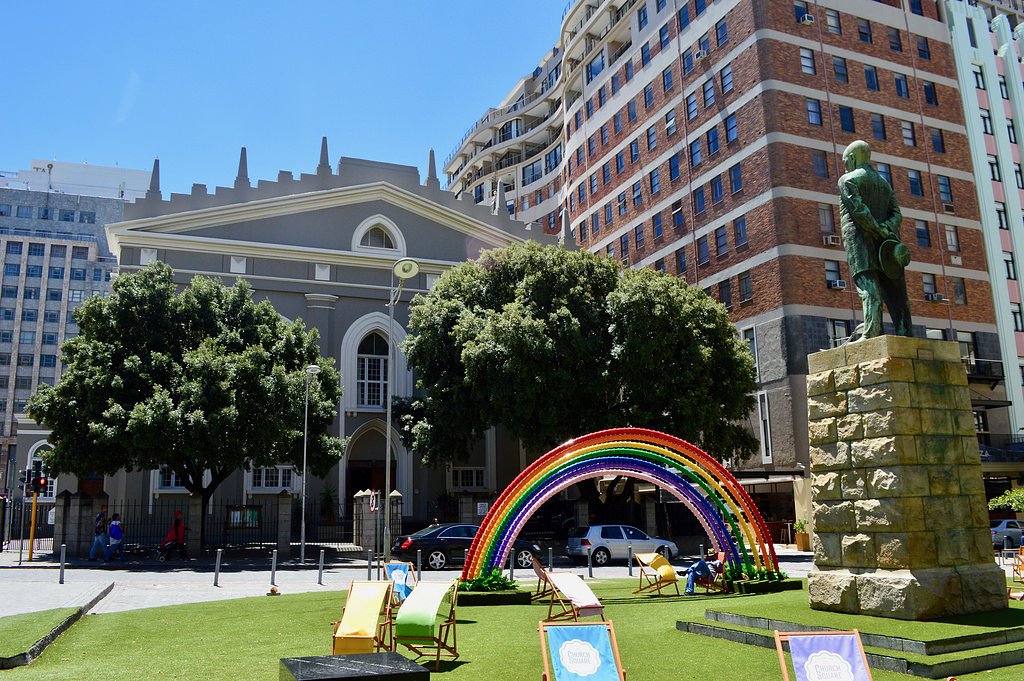
The experience closes in the calmer surroundings of Company Gardens, where memorials, statues, and shaded pathways invite reflection on the city’s complicated legacy. Figures like Cecil Rhodes enter the conversation alongside questions about identity, remembrance, and how nations choose to tell their stories. By the end, the city feels more legible, not because every question has been answered, but because the connections between people, places, and histories begin to come into focus.